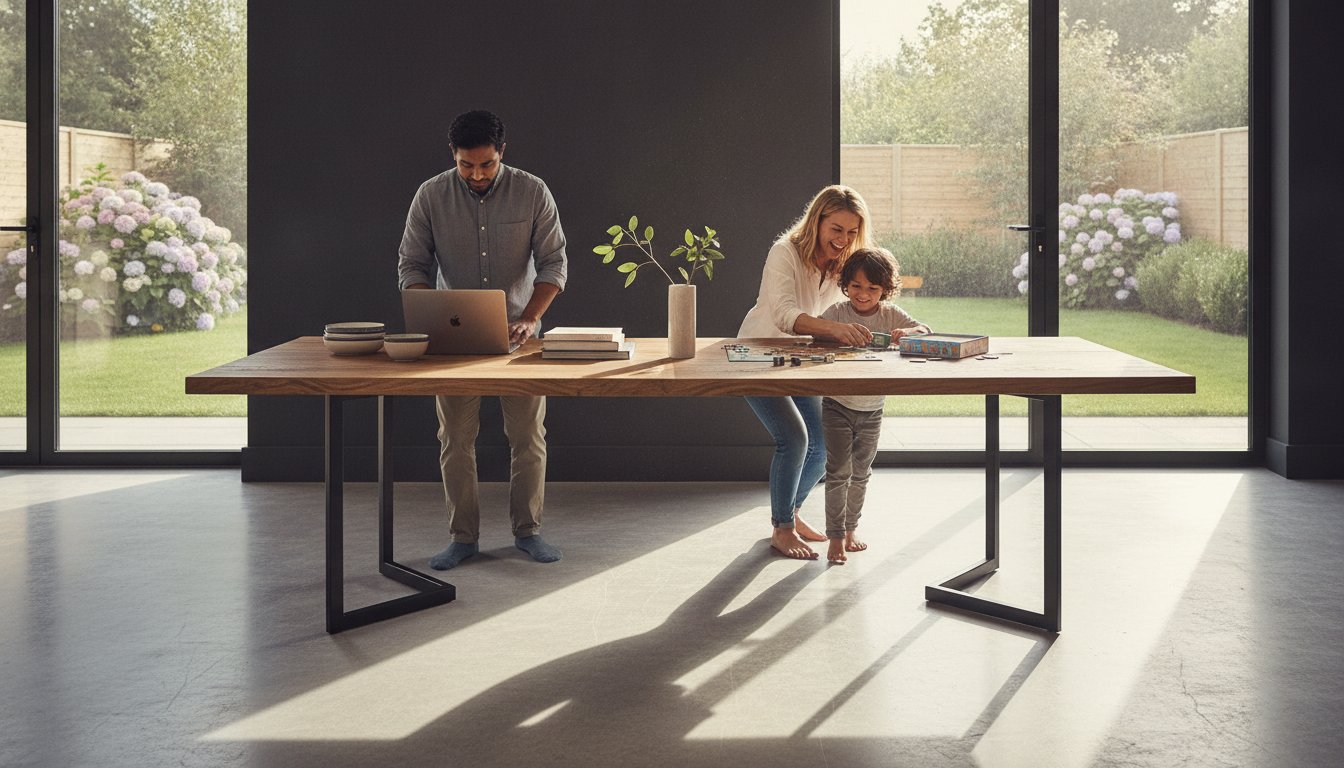
Did you know that 72% of millennials are now willing to pay a premium for furniture that saves space and serves multiple roles? This data reflects a broader shift in how we inhabit our homes, moving away from rigid, single-use rooms toward a more fluid way of living. We understand the daily friction of a dining area that feels cluttered or furniture that begins to fail under the heavy demands of a modern household. You likely believe your table should be the versatile heart of your home rather than a source of stress. By embracing thoughtful multi-functional dining space ideas, you can transform this central anchor into a high-performance, hybrid sanctuary that balances professional focus with the warmth of family life.
We view every piece of furniture as a site for human connection, crafted from raw materials that carry their own history and character. In this guide, we’ll show you how to achieve a cohesive room design using artisanal pieces that serve multiple purposes without compromising on beauty. We will explore how to select a table that provides the legroom you need for guests while offering a steady, quiet confidence for your workday. From the tactile quality of the wood grain to the intentional geometry of the build, you’ll discover how to create a space that feels deeply personal and enduring.
Key Takeaways
- Master the art of the hybrid home by exploring multi-functional dining space ideas that seamlessly transition from a focused workstation to a warm evening retreat.
- Learn why the standard proportions of a handcrafted dining table offer the ideal ergonomic height for daily productivity and creative projects.
- Discover how specific leg architectures, such as the Spider Leg design, can maximize your floor’s footprint to accommodate more guests without sacrificing legroom.
- Understand why choosing durable, repairable materials like solid European Oak ensures your furniture survives the rigors of multi-use life for generations.
- Move beyond the limitations of mass-produced furniture by choosing an artisanal anchor that reflects your personal style and prioritizes human connection.
The Evolution of the Dining Area: From Formal Meals to the Living Hub
The rooms we inhabit are changing. For decades, the dining room existed as a quiet, formal space reserved for Sunday roasts or holiday feasts. The Evolution of the Dining Area shows a historical shift from these rigid, single-purpose environments toward the fluid, 24/7 living hubs we see today. In many modern homes, the table is no longer just for eating. It’s a primary site for work, a desk for education, and a stage for social connection. This transition demands a new approach to design, where multi-functional dining space ideas aren’t just about saving space in tiny flats, but about creating an anchor in any room, regardless of its size.
A central focal point provides an emotional weight to a home. It grounds the room’s identity. When you choose an artisanal piece, you’re investing in a foundation that supports the chaotic rhythm of daily life. Mass-produced “fast furniture” often fails under these heavy demands. It lacks the structural integrity to withstand the constant movement of laptops, heavy textbooks, and the occasional spilled glass of wine. True craftsmanship offers a quiet confidence that flimsy alternatives simply cannot match. It values substance over flashy, temporary trends.
The Psychology of a Multi-Use Space
Designing for multiple purposes doesn’t mean you need to build walls. You can create distinct “zones” through the placement of your furniture, keeping the room feeling airy and open. A substantial, handmade dining table provides a sense of permanence. It becomes a psychological anchor for the family. There is a specific ritual in “clearing the decks” at the end of a workday. Moving the laptop to make way for linen napkins signals a shift in the home’s energy. This allows the mind to transition from professional focus to personal rest without leaving the room.
Defining Your Space’s Primary Rituals
Every household has a different rhythm. Perhaps your space is 60% office and 40% dining, or maybe it’s a site for weekend baking that transforms into a homework station by Monday morning. The heart of the home requires a delicate balance of tactile beauty and rugged utility. We believe in furniture that “breathes” and ages with your family. It should be a piece that gathers the history of your life within its grain. By identifying your primary rituals, you can select a surface that serves your specific needs while maintaining an inviting, artisanal spirit that feels like home. For those who wish to bring this same focus on quality to their outdoor living areas, Zing Patio offers a comprehensive range of premium patio furniture and dining collections.
The Hybrid Hub: Designing a Dining Space That Doubles as a Home Office
Designing a dining room that moonlights as a professional workspace requires more than just pulling up a chair. It’s about the intentional selection of pieces that accommodate the physical needs of a nine-to-five schedule while preserving the soul of a family room. When exploring multi-functional dining space ideas, the first thing to consider is the inherent ergonomics of your furniture. Standard dining table heights, typically around 75cm, align remarkably well with ergonomic desk requirements, providing a stable base for laptop use without the strain often found with makeshift surfaces.
A generous surface area is the secret to a successful hybrid room. Unlike a cramped corner desk, a full-sized dining table allows you to spread out blueprints, documents, or multiple monitors without feeling restricted. During the day, this expanse fosters productivity. By evening, the same timber surface transforms into a site for shared meals. Using Matching Benches helps this transition by allowing you to slide the seating completely under the table when the workday ends, instantly clearing the visual clutter of an “office” and reclaiming the room’s domestic warmth.
Lighting plays a pivotal role in this shift. Bright, cool-toned task lamps help maintain focus during morning meetings, but as the sun sets, these should give way to the warm, amber glow of pendant lights or candles to soften the room’s energy. If you’re unsure which dimensions best suit your dual-purpose room, you can always reach out to our workshop for a personal recommendation on how to balance utility with artisanal style.
The Desk-to-Dinner Transition
To keep your home from feeling like a permanent cubicle, storage is essential. Sideboards or custom cabinetry allow you to tuck away keyboards and stationery at 5 PM, effectively closing the office for the day. For those who prefer a change of scenery, a Breakfast Bar serves as an excellent secondary laptop station for shorter tasks or morning emails. The cool, solid grain of a hand-finished wood surface provides a grounding sensory experience that tethers a digital worker to the physical world.
Ergonomics and Comfort for Long-Stay Use
The depth of your table is just as vital as its height. A depth of at least 80cm to 90cm ensures a healthy screen-to-eye distance, reducing fatigue during long hours of research. While traditional chairs offer back support, many find that the sturdy, wide seat of a handcrafted bench encourages better posture and allows for more movement throughout the day. There is also a distinct tactile benefit to natural timber; the warmth of the wood under your forearms is far more inviting than the cold, sterile plastic found in mass-produced office furniture.
The Architecture of the Table: How Leg Designs Optimise Multi-Functionality
The footprint of a table’s base is often an afterthought, yet it’s the defining factor in how well a room functions. While the timber surface provides the stage for your daily rituals, the architecture beneath dictates the flow of movement and the ease with which you can gather. When you’re exploring multi-functional dining space ideas, the leg design is what truly unlocks the potential for a high-performance, hybrid environment. A well-considered base allows for maximum flexibility, ensuring that your furniture never feels like an obstacle in a busy home.
Centrally located supports, like those found on the Spider Leg Dining Table, offer a unique advantage for those who need to fit more people or equipment into a shared area. By pulling the structural weight toward the middle, you eliminate the traditional “leg-bumping” problem at the corners. This creates an open perimeter where guests can sit anywhere without restriction. For heavy-duty use, the X-Frame and U-Frame styles provide a sturdy, industrial anchor. These designs are built to withstand the pressure of heavy crafts or professional equipment, offering a reassuring sense of stability that lighter, mass-produced alternatives lack. In more modern, minimalist settings, the A-Frame and V-Frame designs offer a clean silhouette that feels intentional and grounded.
Maximising Seating Flexibility
Flexibility is the cornerstone of a versatile home. Pairing Matching Benches with a specific frame allows you to create a “perching” station for quick tasks or a full seating arrangement for a celebratory meal. The Trapezium frame is particularly effective here; its angled stance provides exceptional stability for those who use their table for more than just dining. Whether you’re assembling a complex project or hosting a large family gathering, the right leg architecture ensures your space adapts to you, rather than the other way around.
Visual Weight and Spatial Flow
A large table doesn’t have to dominate a room in a way that feels heavy or cluttered. By using “negative space” in your leg design, you can make a substantial artisanal piece feel light and airy. The choice of finish also plays a role in this balance. Raw steel finishes suggest a gritty, honest workshop spirit, while powder-coated options offer a more refined, contemporary look. A signature base design does more than just hold up a tabletop. It creates a striking centrepiece that draws the eye, effectively distracting from the inevitable office supplies or schoolbooks that gather in a multi-use setting.

Materiality and Durability: Choosing the Right Timber for Your Lifestyle
Raw timber carries a unique weight and history. In a room that serves as a workshop by day and a dining hall by night, the material you select must do more than just look the part. It must endure. When you are gathering multi-functional dining space ideas, the choice of wood species is the most critical decision you will make for the longevity of your investment. Unlike mass-produced alternatives that rely on thin veneers, solid wood offers a repairable, timeless surface that actually improves as it gathers the stories of your family life. It is a living material that responds to its environment, providing a steady, grounding presence in a busy home.
For high-traffic hubs where laptops are dragged across the surface and school projects are a daily occurrence, Solid European Oak remains the gold standard. Its dense grain and natural hardness make it incredibly resistant to the dings and scratches of a demanding schedule. If your goal is to create a more sophisticated, professional atmosphere for home-based executive work, the deep, chocolate tones of Solid Black Walnut provide an immediate sense of authority and calm. For those seeking a Scandinavian-inspired, airy feel, Solid European Ash or Solid Swedish Pine offer lighter palettes that help a large table feel less intrusive in a multi-use room.
If you’re ready to select the perfect timber for your home’s new focal point, get in touch with our craftsmen to discuss which species best fits your daily rituals.
The Resilience of Solid Wood
Solid timber is a dynamic material. It breathes and moves slightly with the seasons, a characteristic that we celebrate as a sign of its authenticity. This natural movement is managed through expert joinery, ensuring your table remains a reliable partner for decades. One of the greatest benefits of an artisanal oak table is its ease of maintenance. A quick application of natural oil can erase the evidence of a stressful work week, buffing out minor marks and restoring the wood’s original lustre without the need for professional restoration.
Texture and Sensory Connection
The tactile experience of your furniture has a profound impact on your well-being. Running your hand across the smooth, warm grain of walnut or the honest texture of ash provides a sensory connection that reduces stress during a long workday. While veneer or MDF alternatives typically have a lifespan of only 5 to 15 years before the edges begin to peel or the core degrades, a solid wood table can easily last for over 100 years when properly cared for by successive generations. This permanence transforms a simple piece of furniture into a meaningful life investment that anchors your home through every transition.
The Mensa Approach: Handcrafted Tables for a Lifetime of Rituals
The Mensa Dining Table stands as more than just a piece of furniture; it’s the ultimate versatile anchor for the modern UK home. When we consider multi-functional dining space ideas, we start with the belief that a table should be a site for human connection, capable of supporting a lifetime of shared rituals. Unlike mass-produced, flat-pack alternatives that often lose their structural integrity within a few years, our pieces are built with a quiet confidence in their quality. We value substance over flashy marketing, focusing on the raw materials and the manual production that ensures every table we create is a meaningful life investment. You’ll find that our approach values the connection between the creator and the end user, ensuring that your home’s focal point is as honest as it is beautiful.
From Our Workshop to Your Home
Our local craftsmen take immense pride in their trade, ensuring that every U-Frame or X-Frame table is engineered to endure the rigors of a busy household. We don’t offer furniture restoration or flat-pack solutions because we believe in the longevity of new, purpose-built furniture that’s designed from the ground up for durability. The process begins with selecting the finest raw materials, such as the pale, elegant grain of European Ash or the warm, traditional character of Swedish Pine. Each piece is hand-finished in our workshop, where the pace is dictated by the time required for high-quality output rather than the speed of a production line. This deliberate rhythm ensures that every joint is precise and every surface is smooth to the touch.
Completing the Vision
To create a truly cohesive home aesthetic, you might consider integrating matching Coffee Tables or dedicated desks into your living space. This consistency in material and design helps define the room’s identity, making it feel personal and inviting rather than transactional. We work closely with you to determine the perfect dimensions for your specific needs, ensuring your table fits the unique rhythm of your home. Ultimately, we frame the dining table as the backdrop for your life’s stories, a place where professional focus and social rituals coexist in harmony. It’s time to invest in a piece that grows with you and your family.
Explore our full range of handcrafted dining tables and discover how a dedicated specialist can help you craft the heart of your home.
Crafting Your Enduring Home Anchor
Your dining area is much more than a room; it’s the living site where your family’s history is written every single day. By embracing thoughtful multi-functional dining space ideas, you’ve seen how the right architecture and materials can transform a simple surface into a high-performance hub that balances work and rest. Whether it’s the ergonomic comfort of a solid oak top or the spatial freedom provided by our unique artisanal leg designs, every detail serves a purpose. We are proud to be solid European timber specialists, creating pieces that are handcrafted in the UK to serve as the backdrop for your life’s most meaningful rituals.
A table shouldn’t just fill a space. It should ground it with a sense of permanence and quiet confidence. We invite you to move away from the temporary nature of mass-produced goods and choose a foundation that ages gracefully alongside your family. If you’re ready to begin the journey of creating a versatile, beautiful heart for your home, we’d love to help you select the perfect dimensions and timber species for your lifestyle.
View our signature handcrafted dining table collection and let’s discuss how we can bring your vision to life today.
Frequently Asked Questions
How do I choose the right size table for a multi-functional room?
You should aim for a table that leaves at least 90cm of clearance from the walls to allow for easy movement around the room. When considering multi-functional dining space ideas, think about the depth of the surface; a minimum of 80cm ensures you have enough room for a laptop and documents without feeling crowded during dinner. Measuring your room’s footprint carefully ensures the table anchors the space without overwhelming the flow of your home.
Is a solid wood table durable enough to be used as a daily desk?
Solid wood is exceptionally durable and perfectly suited for the rigors of a daily home office. We find that species like solid European Oak offer a hard-wearing surface that resists dings from equipment and the constant movement of a mouse. Unlike veneers that peel over time, if a scratch does occur on a handcrafted timber top, it can be easily sanded and re-oiled to restore its original, artisanal beauty.
What is the best table leg design for maximum seating capacity?
The Spider Leg design is the most effective choice for maximizing seating capacity because it places the support structure in the center of the table. This architecture removes the traditional obstacles at the corners, allowing you to tuck in more chairs or benches along the entire perimeter. It creates a fluid environment where guests can gather comfortably for a meal without bumping into table legs during the transition from work to social time.
How do I protect my dining table surface from office equipment scratches?
Using felt pads on the underside of monitors and laptop stands is a simple, effective way to prevent surface scratches. You might also consider a leather or fabric desk mat to provide a soft barrier for your keyboard and mouse while you work. Because our tables are finished with high-quality natural oils, the timber remains resilient and develops a beautiful, unique patina over years of daily use and human connection.
Can I use a dining bench for long periods of work?
A handcrafted dining bench can be an excellent choice for long-stay work because its firm, flat surface often encourages better upright posture than a soft, reclining chair. Our matching benches are designed with the same artisanal care as our tables, providing a stable and wide seat that allows you to shift positions easily throughout the day. It’s a practical way to keep your hybrid hub looking streamlined and clutter-free when the workday ends.
What is the standard height for a multi-purpose dining and work table?
The standard height for a multi-purpose table is typically around 75cm, which aligns with ergonomic desk requirements for most adults. This height allows your forearms to rest comfortably on the timber surface while typing, reducing strain on your shoulders and neck. It’s the ideal balance for a piece that must transition seamlessly from a site of professional focus to a place for shared family meals and evening rituals.
How do I transition my dining space from “work mode” to “relax mode” quickly?
Transitioning your home quickly is often about visual cues and the ritual of storage. Use a nearby sideboard to tuck away your professional equipment at 5 PM, effectively “clearing the decks” for the evening meal. When exploring multi-functional dining space ideas, shifting your lighting from cool task lamps to warm, dimmable pendants can instantly signal to your brain that the workday has ended and it’s time to enjoy the warmth of your home. For those who also manage professional events, you might explore Lightboxes to see how specialized electrics and lighting can define a commercial space just as effectively.

Leave a Reply