
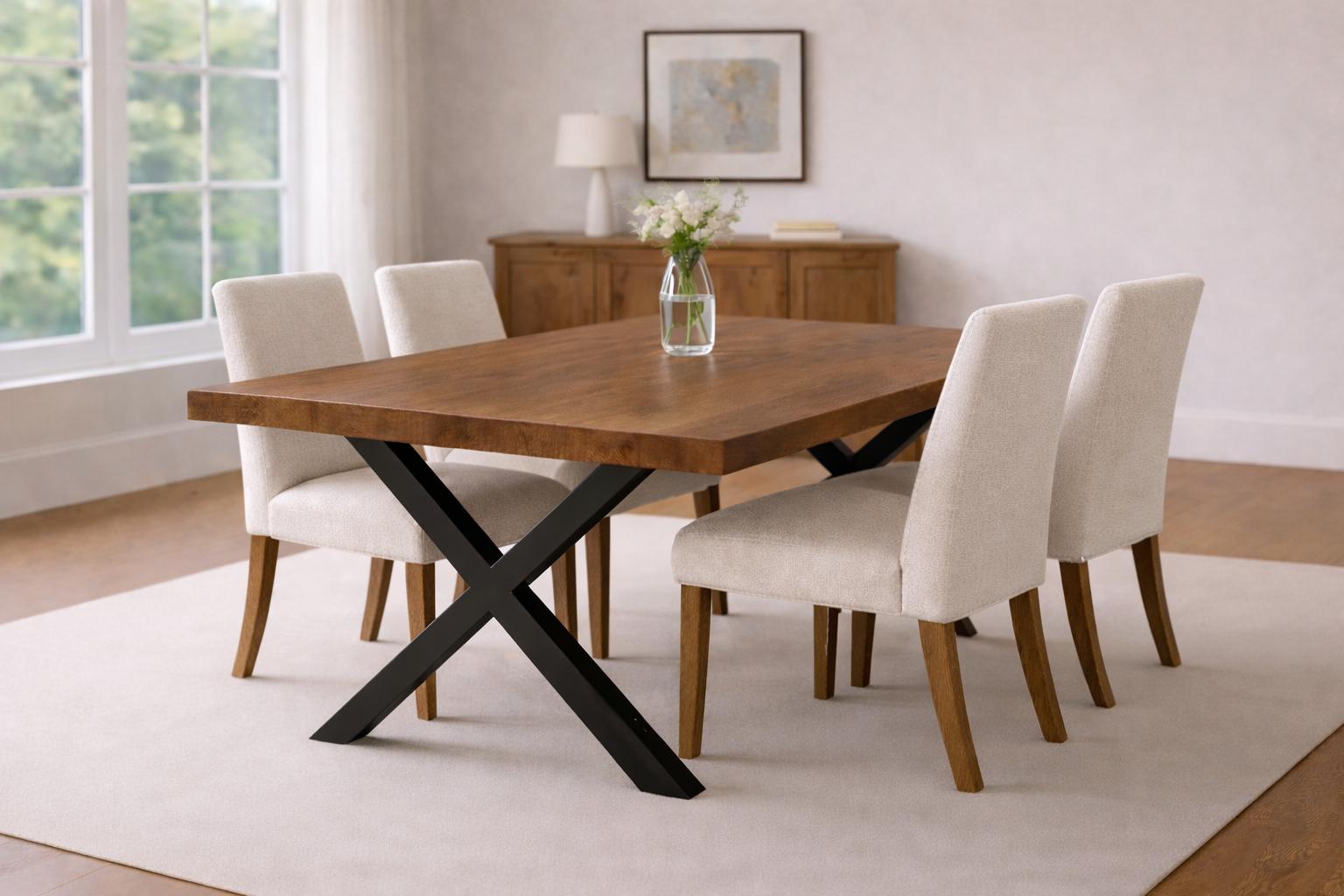
Choosing the right dining table is one of the most important decisions when furnishing your home. The dining table is more than just a piece of furniture—it’s the centre of family gatherings, celebrations, and everyday meals.
Two of the most popular options homeowners consider are oak and walnut. Both are beautiful hardwoods known for their durability and timeless appeal, but each offers distinct advantages depending on your style preferences, budget, and lifestyle.
If you’re deciding between an oak vs walnut dining table, this guide will help you understand the key differences so you can choose the perfect centrepiece for your dining space.
The choice between oak and walnut is more than a matter of wood—it’s a reflection of how you want your home to feel. Oak offers timeless warmth, while walnut brings quiet luxury to the moments shared around your table.
What Makes Oak a Popular Choice?
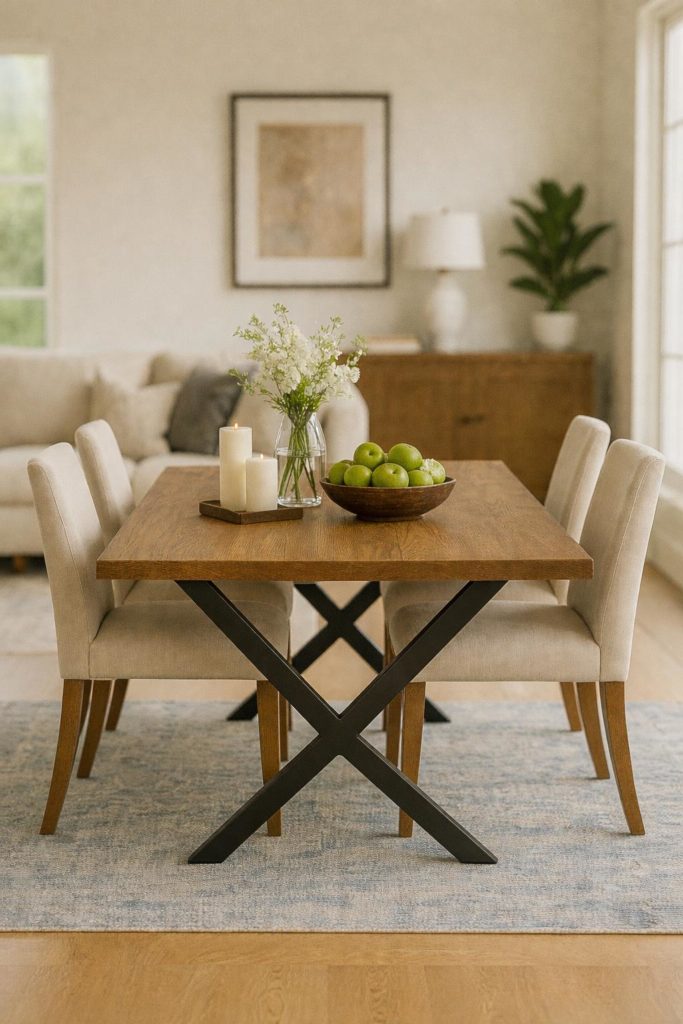
Oak has long been one of the most trusted and widely used woods in furniture making. A solid oak dining table combines durability with a warm, natural aesthetic that suits many interior styles.
One of the biggest solid oak dining table advantages is its strength. Oak is a dense hardwood that can withstand daily use, making it ideal for busy households where the dining table is used regularly.
Oak also features a distinctive grain pattern that gives every table a unique character. Its natural light-to-medium tone works beautifully in both traditional and modern interiors.
Other reasons homeowners choose oak include:
- Excellent durability for everyday family use
- Timeless appearance that never goes out of style
- Versatility across many interior styles
- Great value compared with more premium hardwoods
Oak Tables also age gracefully. Over time, the wood develops a deeper tone and character, adding even more charm to your dining space.
Why Walnut Dining Tables Are Considered Luxury
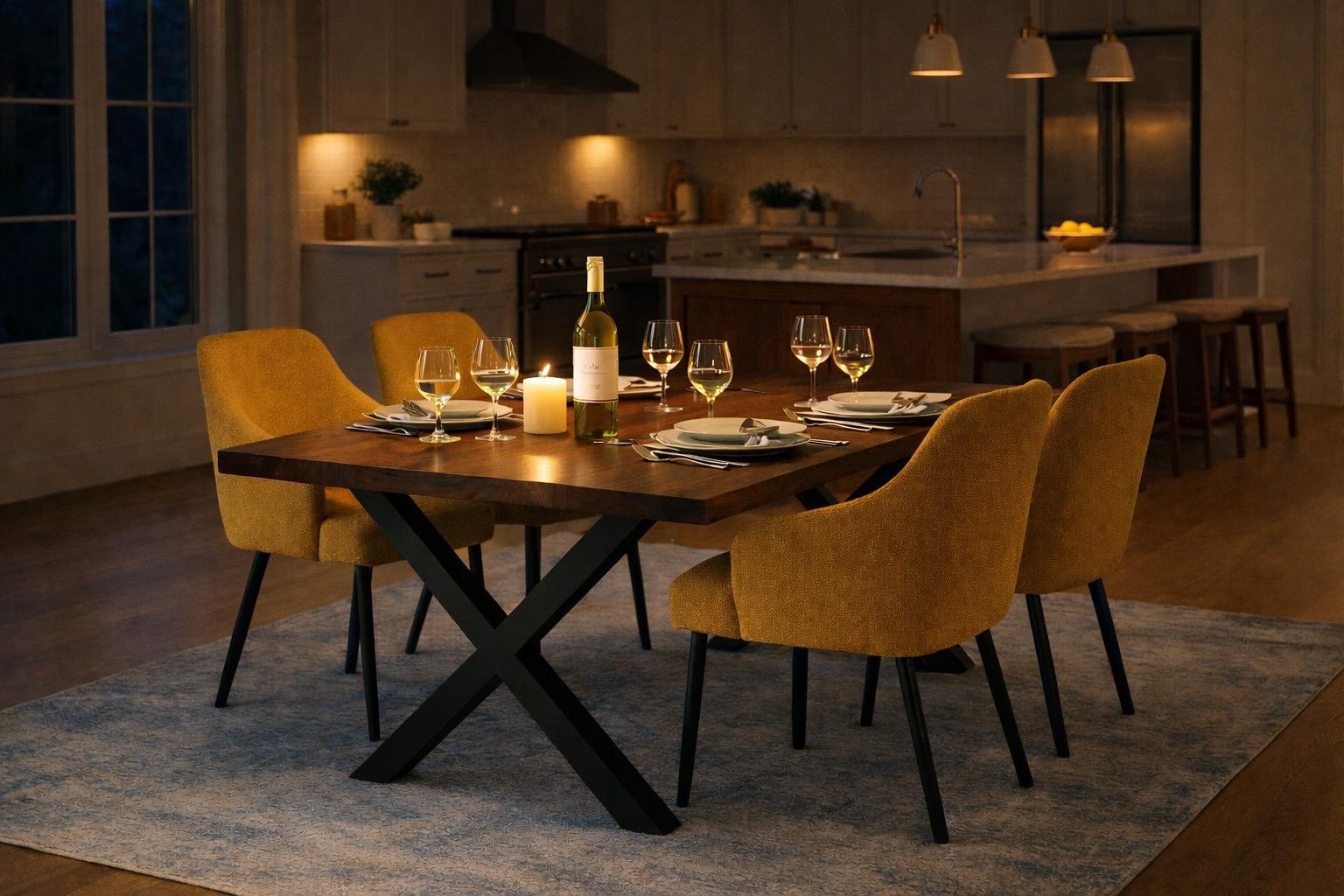
If oak is known for practicality, walnut is admired for its luxury. Walnut furniture has long been associated with premium craftsmanship and sophisticated interiors.
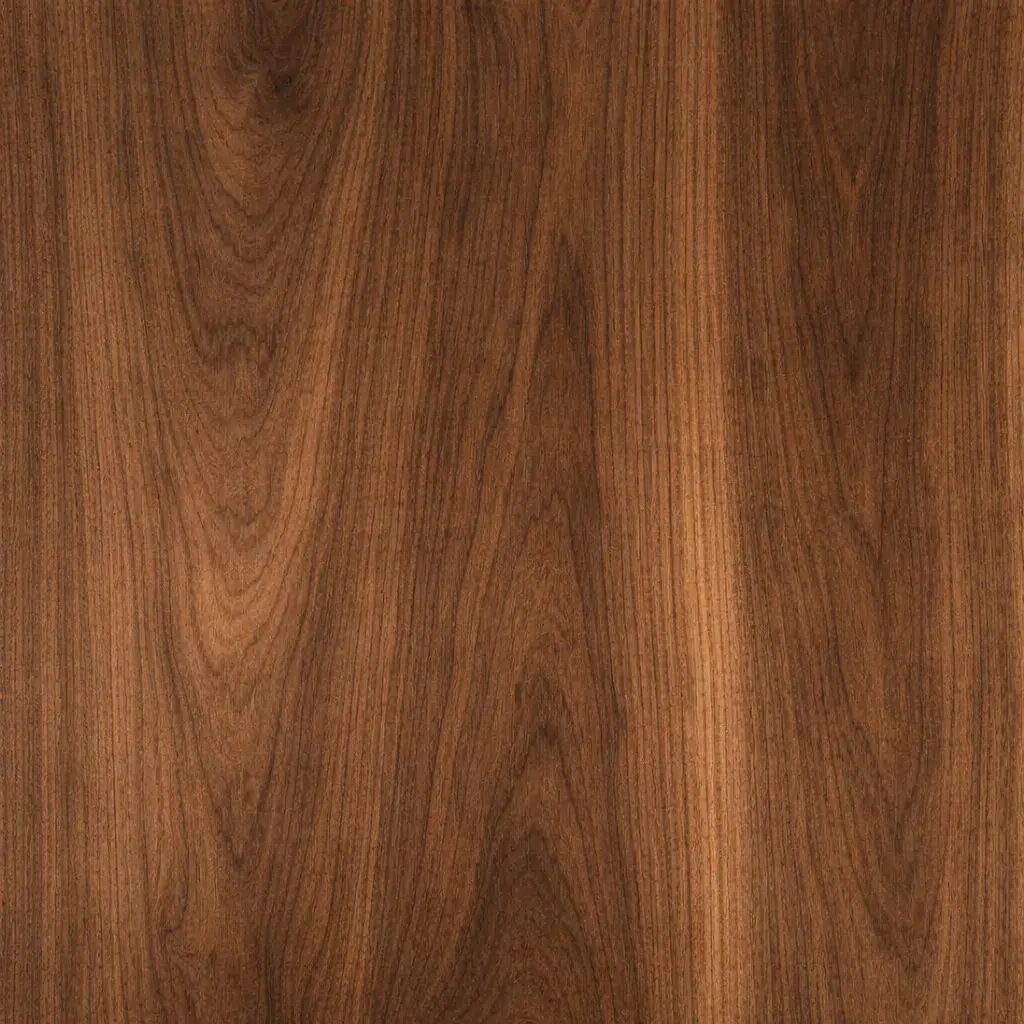
One of the standout walnut dining table benefits is its rich colour. Walnut typically features deep chocolate-brown tones with elegant grain patterns that create a striking visual impact.
Unlike lighter woods, walnut instantly adds warmth and depth to a room, making it a popular choice for statement furniture pieces.
Additional benefits of walnut include:
• Elegant, high-end appearance
• Smooth, refined grain patterns
• Naturally darker colour tones
• A premium feel in contemporary interiors
When comparing oak vs walnut furniture, walnut is often chosen when homeowners want their dining table to become a focal point in the room.
Walnut tables pair beautifully with modern dining spaces, darker colour palettes, and minimalist interiors.
Durability Comparison
When deciding which wood is best for dining tables, durability is a crucial factor.
Both oak and walnut are hardwoods, which means they are far stronger and longer-lasting than softwoods such as pine.
However, there are subtle differences.
Oak is generally slightly harder and more resistant to dents and scratches. This makes it an excellent choice for family homes where the table sees heavy daily use.
Walnut, while still very durable, is a little softer than oak. That said, its smooth grain and rich finish often conceal minor marks better than lighter woods.
In practical terms:
- Oak: Extremely tough and highly resistant to wear
- Walnut: Strong and durable with a refined finish
With proper care, both materials can last for decades, making them excellent investments for a high-quality dining table.
Style and Interior Design Considerations
Your interior style plays a major role in deciding between oak vs walnut dining table designs.
Oak Works Best With:
- Scandinavian interiors
- Farmhouse and rustic spaces
- Traditional homes
- Light and airy dining rooms
The lighter tone of oak helps rooms feel brighter and more open.
Walnut Works Best With:
- Contemporary interiors
- Luxury dining spaces
- Mid-century modern design
- Darker, sophisticated colour schemes
Walnut’s deeper tones create a bold and elegant aesthetic that works particularly well in modern homes.
When comparing oak vs walnut furniture, many designers use oak for relaxed, natural spaces and walnut for more dramatic, statement interiors.

Which Dining Table Should You Choose?
Ultimately, the choice between an oak vs walnut dining table comes down to personal preference, lifestyle, and the overall look you want to achieve in your home.
Choose oak if you want:
- A durable everyday table
- A bright, natural wood finish
- A timeless style that suits many interiors
- Excellent long-term value
Choose walnut if you want:
- A luxury statement piece
- Rich, darker tones
- A modern or high-end interior aesthetic
- Unique, elegant grain patterns
At The Mensa Table Company, both oak and walnut dining tables are crafted from high-quality hardwood and designed to last for generations. Whether you prefer the natural charm of oak or the sophisticated elegance of walnut, investing in a solid wood dining table ensures your dining space remains stylish, functional, and welcoming for years to come.
If you’re exploring oak vs walnut furniture and want expert guidance, browse our collection of handcrafted dining tables to find the perfect centrepiece for your home.
👉 Read our complete guide: The Ultimate Guide to Choosing a Dining Table
In this in-depth resource, you’ll discover:
- How to choose the right dining table size for your room
- The pros and cons of different table shapes
- The best wood types for durability and style
- How leg styles affect seating and comfort
- Tips for matching your dining table with chairs and interiors
Whether you’re designing a new dining space or upgrading your current one, this guide will help you choose a table that perfectly suits your home and lifestyle.

Leave a Reply